
Egyptian Mau Cat Health Guide: Common Conditions, Costs & Insurance Coverage


Egyptian Mau Cat Health Guide: Common Conditions, Costs & Insurance Coverage
The Egyptian Mau is one of the most striking cats you'll ever meet — a naturally spotted, athletic breed often called the fastest domestic cat in the world, capable of sprinting at over 30 mph. With their gooseberry-green eyes, expressive "M" forehead marking, and dog-like loyalty, Maus have a devoted following among cat enthusiasts. But like every purebred, they come with a specific health profile that prospective and current owners should understand before, during, and after adoption.
At PetPremium, we've built this guide as part of our Breed-Specific Health & Lifetime Cost Guides to help you anticipate veterinary needs, budget realistically, and decide whether pet insurance makes sense for your spotted companion.
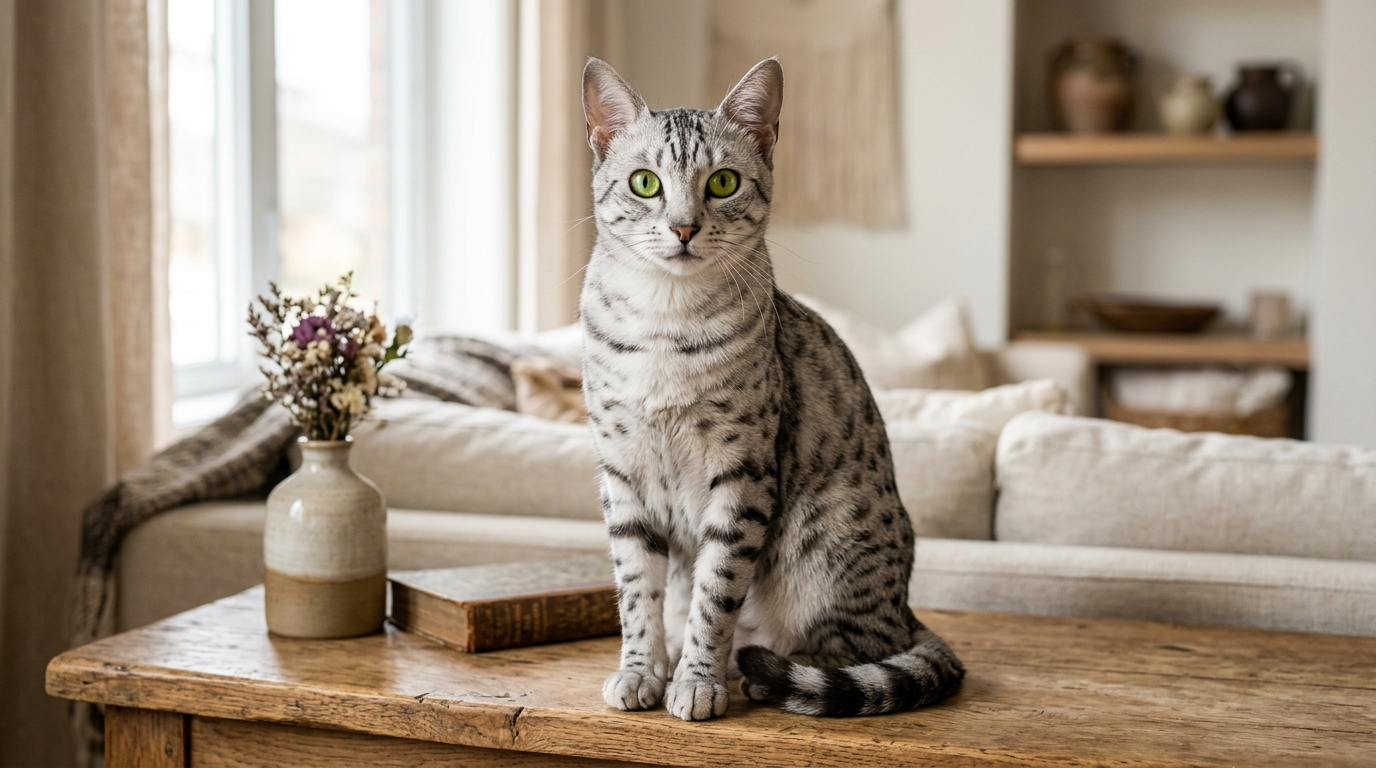
Egyptian Mau at a Glance
| Trait | Detail |
|---|---|
| Average lifespan | 12–15 years (some reach 18+) |
| Adult weight | 6–14 lbs |
| Coat | Short, silky, naturally spotted (silver, bronze, smoke) |
| Activity level | High |
| Average annual vet costs (healthy adult) | $400–$900 |
| Estimated lifetime care cost | $18,000–$32,000 |
The Egyptian Mau is generally a hardy, moderately healthy breed compared to more extreme purebreds like Persians or Maine Coons. Still, the gene pool is small — the modern Mau descends from a handful of foundation cats imported in the 1950s — and that limited diversity creates a few predictable health risks.
Common Health Conditions in Egyptian Maus
1. Hypertrophic Cardiomyopathy (HCM)
HCM is the most common heart disease in cats, and Egyptian Maus are among the breeds where it has been documented. The heart muscle thickens, reducing the heart's ability to pump efficiently, and can lead to congestive heart failure or sudden clots (saddle thrombus).
- Signs to watch for: rapid breathing at rest, lethargy, sudden hind-leg weakness, fainting
- Diagnosis: echocardiogram ($400–$700) performed by a veterinary cardiologist
- Treatment: lifelong medication ($30–$80/month); emergency hospitalization for heart failure can run $3,000–$8,000
The Cornell Feline Health Center recommends baseline cardiac screening for at-risk breeds starting around age 2.
2. Pyruvate Kinase Deficiency (PK Deficiency)
This inherited red blood cell disorder causes intermittent anemia. It's been identified in Egyptian Maus through DNA testing, and reputable breeders now screen for it. Affected cats can live relatively normal lives but may require periodic monitoring or, in severe cases, transfusions.
- DNA test: $50–$80 (one-time)
- Treatment range: $200–$2,500+ depending on severity
3. Asthma and Respiratory Sensitivity
Egyptian Maus are reported to have a higher-than-average rate of feline asthma. Triggers include dust, smoke, scented litters, and aerosols.
- Diagnostics: chest X-rays, bronchoscopy ($300–$1,200)
- Maintenance: inhaled steroids via Aerokat chamber, $40–$100/month
4. Patellar Luxation and Joint Issues
Less common than in small dog breeds, but some Maus develop knee instability. Mild cases need only monitoring; severe cases may require surgical correction at $1,500–$3,500 per knee.
5. Urinary Tract Disease (FLUTD)
Active, lean cats like Maus can still develop crystals, blockages, or idiopathic cystitis — particularly males. A urinary blockage is a true emergency and one of the most common reasons for ER visits in male cats.
- Emergency unblocking and hospitalization: $1,500–$4,000
- Perineal urethrostomy (PU surgery): $2,500–$5,000
6. Dental Disease
By age 3, more than half of all cats show signs of periodontal disease. Maus are no exception. Annual dental cleanings under anesthesia run $400–$900; extractions can push that to $1,500+.
Lifetime Cost Breakdown
Here's a realistic look at what 14 years with an Egyptian Mau might cost a U.S. owner — assuming average preventive care plus one or two notable health events.
| Category | Annual (Healthy) | Lifetime Estimate |
|---|---|---|
| Wellness exams & vaccines | $250–$400 | $3,500–$5,600 |
| Preventives (parasite/flea) | $150–$250 | $2,100–$3,500 |
| Food & litter | $700–$1,200 | $9,800–$16,800 |
| Dental care | $0–$500 | $2,500–$6,000 |
| Diagnostics & minor illness | $100–$300 | $1,400–$4,200 |
| Major events (HCM, FLUTD, surgery) | — | $3,000–$15,000 |
| Total | ~$1,200–$2,650 | ~$22,000–$50,000 |
A single HCM diagnosis with ongoing cardiology care, or one urinary blockage requiring surgery, can shift you from the low end of that range to the high end overnight. For comparison shoppers curious how feline costs stack up against dogs, our lifetime cost calculator for French Bulldogs shows just how dramatically breed selection affects long-term spending.
Why Insurance Matters for Egyptian Maus
While Maus are healthier on average than many purebreds — comparable in many ways to athletic, lean breeds like the Ocicat — the conditions they are prone to (HCM, asthma, urinary blockages) tend to be expensive when they occur. These are exactly the kinds of unpredictable, high-cost events insurance is built for. Owners researching another sleek, athletic spotted breed may also want to compare notes with our Oriental Shorthair health and cost breakdown, which shares several overlapping risk factors.
We at PetPremium typically recommend enrolling kittens early, before any condition can be flagged as pre-existing. A few things to look for in a policy for an Egyptian Mau:
- Hereditary and congenital coverage (covers HCM and PK deficiency if not already diagnosed)
- Diagnostic imaging coverage (echocardiograms, X-rays)
- Emergency and specialist care (cardiology, internal medicine)
- Prescription medications (for asthma, heart medication)
- Reasonable annual or unlimited payout limits — at least $10,000/year
Average accident-and-illness premiums for a young, healthy Egyptian Mau in the U.S. range from $25–$55 per month, depending on your zip code, deductible, and reimbursement percentage. Premiums rise with age, which is another reason early enrollment pays off.
Prevention: What Owners Can Do
Most Egyptian Mau health risks have meaningful prevention strategies:
- Buy from a screening breeder. Ask for PK deficiency DNA results and parental cardiac screenings. Avoid breeders who can't produce documentation.
- Schedule a baseline echocardiogram around age 2–3, then every 1–2 years.
- Feed a measured, high-protein diet. Maus are athletic and shouldn't be allowed to become obese — extra weight worsens nearly every condition on this list.
- Provide enrichment. This is a smart, active breed. Bored Maus develop stress-related issues including idiopathic cystitis.
- Choose unscented, low-dust litter to protect respiratory health.
- Brush teeth and schedule annual dentals before disease becomes painful and expensive.
- Always make sure male cats can urinate freely — straining is an emergency.
Is the Egyptian Mau the Right Cat For You?
If you want an interactive, intelligent, dog-like cat that will follow you around the house and chirp at birds, the Mau is a wonderful match. Health-wise, they're a reasonable middle-ground purebred — not as risky as brachycephalic breeds, not as low-maintenance as a robust mixed-breed cat. With proper screening, attentive owners, and a solid insurance policy in place from kittenhood, most Maus go on to live long, vibrant lives well into their teens. Still weighing your options? Our pet matching quiz for lifestyle and budget can help you confirm whether a Mau truly fits your household.
Frequently Asked Questions
Q: How long do Egyptian Maus typically live?
Egyptian Maus generally live 12–15 years, though many reach 16–18 with attentive care, regular cardiac screening, and a healthy weight. Indoor-only Maus tend to live longer than those allowed outdoors due to their hunting drive and speed making them prone to traffic injury.
Q: Are Egyptian Maus considered a healthy breed compared to other cats?
They are healthier than many extreme purebreds — they don't have the brachycephalic problems of Persians or the size-related issues of Maine Coons. However, they do have documented risks for HCM, PK deficiency, and feline asthma, so screening and preventive care still matter.
Q: How much does pet insurance cost for an Egyptian Mau?
Premiums vary by location, age, and plan, but a young Egyptian Mau typically falls in the $25–$55 per month range for accident-and-illness coverage in the U.S. Adding wellness add-ons or selecting higher reimbursement percentages and lower deductibles will increase that figure.
Q: Does PetPremium cover hereditary conditions like HCM?
Most plans available through PetPremium include coverage for hereditary and congenital conditions as long as they have not been diagnosed or shown clinical signs before enrollment. This is exactly why we strongly recommend enrolling kittens before any health issues are documented in the medical record.
Q: What's the single most expensive health issue an Egyptian Mau might face?
Hypertrophic cardiomyopathy with congestive heart failure or a thromboembolic event is typically the most costly, with diagnosis, hospitalization, and lifelong medications running $5,000–$15,000+ over a cat's life. Urinary blockages in males are another high-cost emergency, often $2,000–$5,000 per event. If you're curious how these figures compare across species, our roundup of the priciest dog breeds to own provides useful context on high-cost veterinary care.
Q: Should I get DNA testing done on my Egyptian Mau?
If your breeder didn't already test the parents, a one-time PK deficiency DNA panel (around $50–$80) is worthwhile so you know whether your cat is at risk for inherited anemia. Knowing in advance helps your vet monitor bloodwork appropriately throughout your cat's life.
Q: Are male or female Egyptian Maus more prone to health problems?
Both sexes share the breed's hereditary risks equally, but neutered male cats of any breed — including Maus — are statistically more prone to urinary blockages, which are life-threatening emergencies. Owners of male Maus should be especially alert to straining, frequent litter trips, or vocalizing in the box.
Q: Is pet insurance worth it for a generally healthy breed like the Mau?
Yes, because insurance protects against the unpredictable. The conditions Maus are predisposed to — heart disease, asthma, urinary emergencies — are exactly the high-cost, hard-to-budget events insurance is designed for, and premiums for a healthy young Mau are far lower than a single ER visit.
