
The 25 Most Expensive Dog Breeds to Own (2026 Vet Cost Data)


The 25 Most Expensive Dog Breeds to Own (2026 Vet Cost Data)
Bringing home a dog is one of life's great joys — but the sticker price at the breeder is just the beginning. The real financial commitment shows up over the next 10 to 15 years in the form of vet bills, surgeries, prescription diets, and chronic condition management. Some breeds, due to their genetics, size, or anatomy, cost dramatically more to care for than others.
We at PetPremium analyzed claim frequency, average treatment costs, and lifetime medical projections to rank the 25 most expensive dog breeds to own in 2026. If you're planning to add one of these dogs to your family — or already share your couch with one — this guide will help you budget realistically and understand why pet insurance often pays for itself many times over.
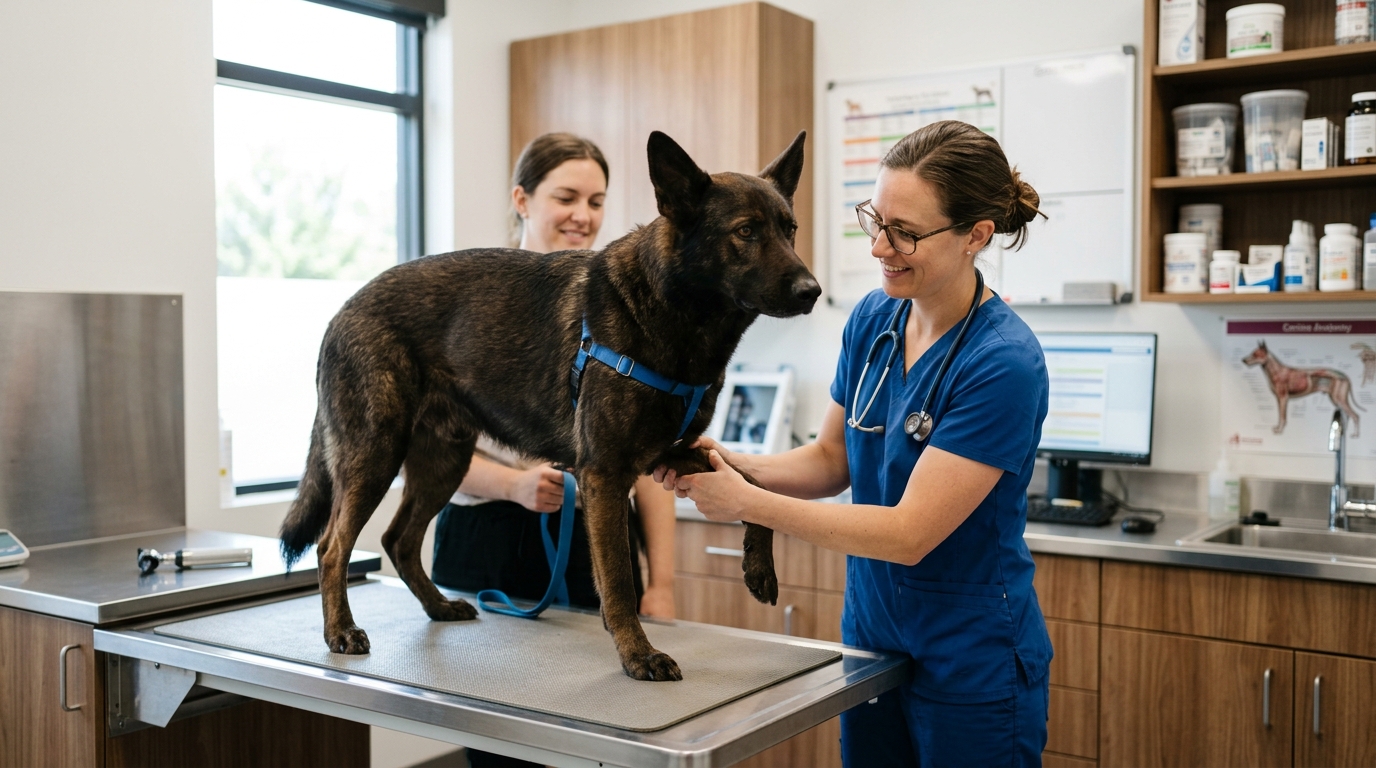
How We Ranked the Most Expensive Dog Breeds
Our rankings combine three data points:
- Lifetime veterinary costs — cumulative spending on routine and non-routine care from puppy through senior years.
- Average insurance premiums — what insurers charge based on claim frequency and severity.
- Surgery and chronic condition risk — the likelihood of high-ticket events like hip replacements, BOAS surgery, IVDD, or cancer treatment.
Costs reflect U.S. averages compiled from veterinary industry reports, including data from the American Veterinary Medical Association and the North American Pet Health Insurance Association.
The 25 Most Expensive Dog Breeds in 2026
1. English Bulldog
Estimated lifetime cost: $28,000–$38,000
The English Bulldog tops nearly every high-cost list. Brachycephalic Obstructive Airway Syndrome (BOAS), hip dysplasia, cherry eye, skin fold dermatitis, and a near-100% C-section birth rate make this breed extraordinarily expensive. BOAS surgery alone runs $2,500–$6,500.
2. French Bulldog
Estimated lifetime cost: $25,000–$35,000
Frenchies share many of the Bulldog's brachycephalic problems plus a high IVDD (intervertebral disc disease) risk. Spinal surgery can exceed $10,000. For a deeper breakdown, see our French Bulldog Lifetime Cost Guide 2026: Vet Bills, Insurance & Care.
3. Bernese Mountain Dog
Estimated lifetime cost: $24,000–$32,000
Beautiful, gentle, and tragically short-lived. Bernese are predisposed to histiocytic sarcoma, mast cell tumors, hip dysplasia, and bloat. Cancer treatment alone can run $8,000–$15,000.
4. Great Dane
Estimated lifetime cost: $22,000–$30,000
Giant breeds mean giant medication doses and giant surgery bills. Bloat (GDV) is a life-threatening emergency in Danes — and emergency gastropexy averages $5,000–$8,000. Dilated cardiomyopathy is also common. Our Great Dane health and insurance guide breaks down the most common claims.
5. Saint Bernard
Estimated lifetime cost: $21,000–$29,000
Hip and elbow dysplasia, bloat, entropion, and osteosarcoma plague this gentle giant. Joint replacement surgeries can run $7,000+ per hip.
6. Cavalier King Charles Spaniel
Estimated lifetime cost: $20,000–$28,000
Don't let the small size fool you. Mitral valve disease affects more than half of Cavaliers by age five, and syringomyelia is heartbreakingly common. Lifelong cardiac medication adds up fast.
7. Rottweiler
Estimated lifetime cost: $19,000–$27,000
High osteosarcoma rates, hip dysplasia, and aortic stenosis. Bone cancer treatment with amputation and chemotherapy can exceed $10,000.
8. German Shepherd
Estimated lifetime cost: $18,000–$26,000
Degenerative myelopathy, hip and elbow dysplasia, and exocrine pancreatic insufficiency are all costly to manage. See our German Shepherd Lifetime Cost Guide 2026: Vet Bills, Insurance & Care for the full picture.
9. Newfoundland
Estimated lifetime cost: $18,000–$25,000
Subaortic stenosis, cystinuria, and hip dysplasia. Their massive size also means food and medication costs are substantially higher than average.
10. Mastiff (English)
Estimated lifetime cost: $17,000–$25,000
Cardiomyopathy, hip dysplasia, and bloat. Anesthesia is also riskier — and pricier — for giant breeds.
11. Boxer
Estimated lifetime cost: $17,000–$24,000
Boxers have one of the highest cancer rates of any breed, particularly mast cell tumors and lymphoma. Aortic stenosis and Boxer cardiomyopathy add to the bill.
12. Golden Retriever
Estimated lifetime cost: $16,000–$24,000
Up to 60% of Goldens develop cancer. Combined with hip dysplasia and hypothyroidism, lifetime spending climbs quickly. Our Golden Retriever Lifetime Cost Guide 2026: Vet Bills, Insurance & Care has the full breakdown.
13. Doberman Pinscher
Estimated lifetime cost: $16,000–$23,000
Dilated cardiomyopathy affects roughly 60% of Dobermans. Wobbler syndrome and von Willebrand's disease add specialty-care expenses.
14. Shar-Pei
Estimated lifetime cost: $15,000–$22,000
Familial Shar-Pei fever, entropion (often requiring surgical correction in puppies), and chronic skin infections.
15. Chow Chow
Estimated lifetime cost: $15,000–$22,000
Entropion, hip dysplasia, autoimmune conditions, and elongated soft palate.
16. Dachshund
Estimated lifetime cost: $14,000–$22,000
About 1 in 4 Dachshunds will experience IVDD. Spinal surgery costs $6,000–$10,000 — sometimes more than once. See our Dachshund Lifetime Cost Guide 2026: Vet Bills, Insurance & Care.
17. Cane Corso
Estimated lifetime cost: $14,000–$21,000
Hip dysplasia, cherry eye, demodectic mange, and bloat. Like other giants, anesthesia and surgery scale up with body weight.
18. Pug
Estimated lifetime cost: $14,000–$20,000
Brachycephalic syndrome, Pug dog encephalitis, hip dysplasia, and chronic eye issues. BOAS correction and dental work are common.
19. Bullmastiff
Estimated lifetime cost: $13,000–$20,000
Lymphoma, hip and elbow dysplasia, and bloat. Shorter lifespan but high spending compressed into fewer years.
20. Standard Poodle
Estimated lifetime cost: $13,000–$19,000
Addison's disease, bloat, sebaceous adenitis, and progressive retinal atrophy. Poodles often live long lives — meaning more cumulative care.
21. Yorkshire Terrier
Estimated lifetime cost: $12,000–$18,000
Portosystemic shunts, luxating patellas, tracheal collapse, and serious dental disease drive costs in this small but expensive breed.
22. Bloodhound
Estimated lifetime cost: $12,000–$18,000
Bloat, ear infections, hip dysplasia, and entropion/ectropion.
23. Boston Terrier
Estimated lifetime cost: $11,000–$17,000
Brachycephalic issues, hemivertebrae, and eye conditions like cherry eye and corneal ulcers. Our Boston Terrier Health Guide covers what to expect.
24. Beagle
Estimated lifetime cost: $11,000–$16,000
Epilepsy, hypothyroidism, IVDD, and cherry eye. Long lifespans (12–15 years) mean ongoing chronic care costs. See the Beagle Health Guide for details.
25. German Shorthaired Pointer
Estimated lifetime cost: $10,000–$16,000
Hip dysplasia, lymphedema, bloat, and a high rate of soft tissue injuries from their athletic lifestyle. The German Shorthaired Pointer Health Guide explores this further.
Lifetime Cost at a Glance
| Rank | Breed | Lifetime Cost (Low) | Lifetime Cost (High) | Top Cost Driver |
|---|---|---|---|---|
| 1 | English Bulldog | $28,000 | $38,000 | BOAS, C-sections |
| 2 | French Bulldog | $25,000 | $35,000 | IVDD, BOAS |
| 3 | Bernese Mountain Dog | $24,000 | $32,000 | Cancer |
| 4 | Great Dane | $22,000 | $30,000 | Bloat, cardiac |
| 5 | Saint Bernard | $21,000 | $29,000 | Joints, cancer |
| 6 | Cavalier King Charles | $20,000 | $28,000 | Mitral valve disease |
| 7 | Rottweiler | $19,000 | $27,000 | Osteosarcoma |
| 8 | German Shepherd | $18,000 | $26,000 | DM, hips |
| 12 | Golden Retriever | $16,000 | $24,000 | Cancer |
| 16 | Dachshund | $14,000 | $22,000 | IVDD |
Why These Breeds Cost So Much
Three factors drive the bills on this list:
- Anatomy. Brachycephalic skulls, long backs, and giant body sizes create predictable, expensive problems.
- Genetics. Limited gene pools concentrate hereditary diseases — cancer in Goldens, DCM in Dobermans, mitral valve disease in Cavaliers.
- Lifespan trade-offs. Small breeds rack up costs over 15+ years; giant breeds compress major expenses into 6–9 years.
It's not just dogs, either — even some long-coated cats like the curly-coated Selkirk Rex carry inherited risks that drive up lifetime care spending in similar ways.
How Insurance Changes the Math
Pet insurance doesn't reduce the cost of veterinary care — but it does flatten it into a predictable monthly payment instead of surprise five-figure bills. For breeds on this list, premiums are higher because claims are higher, but the math often favors enrolling early, before any condition becomes a pre-existing exclusion.
A few principles PetPremium recommends for high-cost breeds:
- Enroll while your dog is a puppy. Pre-existing conditions are universally excluded.
- Choose a higher annual limit. $10,000+ caps make sense for breeds prone to surgery or cancer.
- Don't skip exam fee coverage. Specialty consults add up quickly.
- Compare unlimited vs. capped plans. For Bulldogs, Frenchies, and Bernese, unlimited often wins long-term.
Our Top 25 Most Expensive Dog Breeds to Insure in 2026 ranking dives deeper into premium ranges and claim frequencies if you want to compare quotes side-by-side.
Frequently Asked Questions
Q: What is the single most expensive dog breed to own over its lifetime?
The English Bulldog consistently ranks as the most expensive, with lifetime costs often reaching $38,000 or more. Nearly every Bulldog requires a planned C-section to give birth, and the breed's brachycephalic anatomy leads to airway, eye, skin, and joint surgeries throughout life.
Q: Are mixed-breed dogs cheaper to care for than purebreds?
Generally, yes — mixed breeds benefit from hybrid vigor and have lower rates of inherited diseases on average. However, mixed-breed dogs that include high-risk breeds (like a Golden Retriever mix or a Frenchie cross) can still inherit those predispositions, so genetic testing is worth considering.
Q: Why are giant breeds more expensive at the vet?
Medication is dosed by weight, anesthesia carries higher risk, and joint, cardiac, and bloat-related surgeries are anatomically more complex in large dogs. Even routine procedures like dental cleanings cost more because they require longer anesthesia and more supplies. Even active medium-large breeds like the Siberian Husky face elevated orthopedic and ophthalmic costs as they age.
Q: Does pet insurance cover hereditary or breed-specific conditions?
Most modern pet insurance plans, including those offered through PetPremium and our partners, cover hereditary and congenital conditions as long as they aren't pre-existing at enrollment. This is exactly why enrolling a puppy early — before symptoms appear — is so valuable for high-risk breeds.
Q: How does PetPremium help owners of high-cost breeds budget for care?
We at PetPremium offer personalized quotes that factor in breed-specific risk, so you can compare plans with annual limits and reimbursement levels that match your dog's actual likelihood of expensive care. Our breed-specific health and lifetime cost guides also help owners anticipate which conditions to screen for and when.
Q: What's the cheapest large dog breed to own?
Among large breeds, mixed-breed shelter dogs and breeds like the Greyhound, Australian Cattle Dog, and Belgian Malinois tend to have lower lifetime costs due to fewer hereditary conditions and longer healthy lifespans. They're not on this expensive-breeds list for a reason.
Q: Is it worth getting insurance for a French Bulldog or English Bulldog?
For brachycephalic breeds, insurance frequently pays for itself with a single major event. BOAS surgery, IVDD treatment, or a complicated C-section can each exceed $5,000–$10,000 — well beyond the cumulative cost of years of premiums for most plans. Our Frenchie cost calculator and insurance breakdown shows exactly how the numbers play out across a typical lifetime.
Q: At what age should I insure my puppy?
Ideally between 8 weeks and 6 months. Insuring before any vet visit identifies a condition is the best way to ensure that hereditary diseases — which often appear later in life — remain covered rather than being classified as pre-existing.
