
Average Cost of Common Pet Emergencies in 2026


Average Cost of Common Pet Emergencies in 2026
When your dog swallows a sock at midnight or your cat suddenly stops urinating, the last thing you want to think about is money. But for most pet owners, the emergency room visit becomes a financial event as much as a medical one. We at PetPremium pulled together claims data, regional pricing surveys, and veterinary teaching hospital benchmarks to give you a clear, current picture of what pet emergencies actually cost in 2026 — and where the biggest cost spikes happen.
This dataset is part of our broader Breed Health Atlas, where we examine the conditions pets are most likely to face and what they cost to treat over a lifetime.
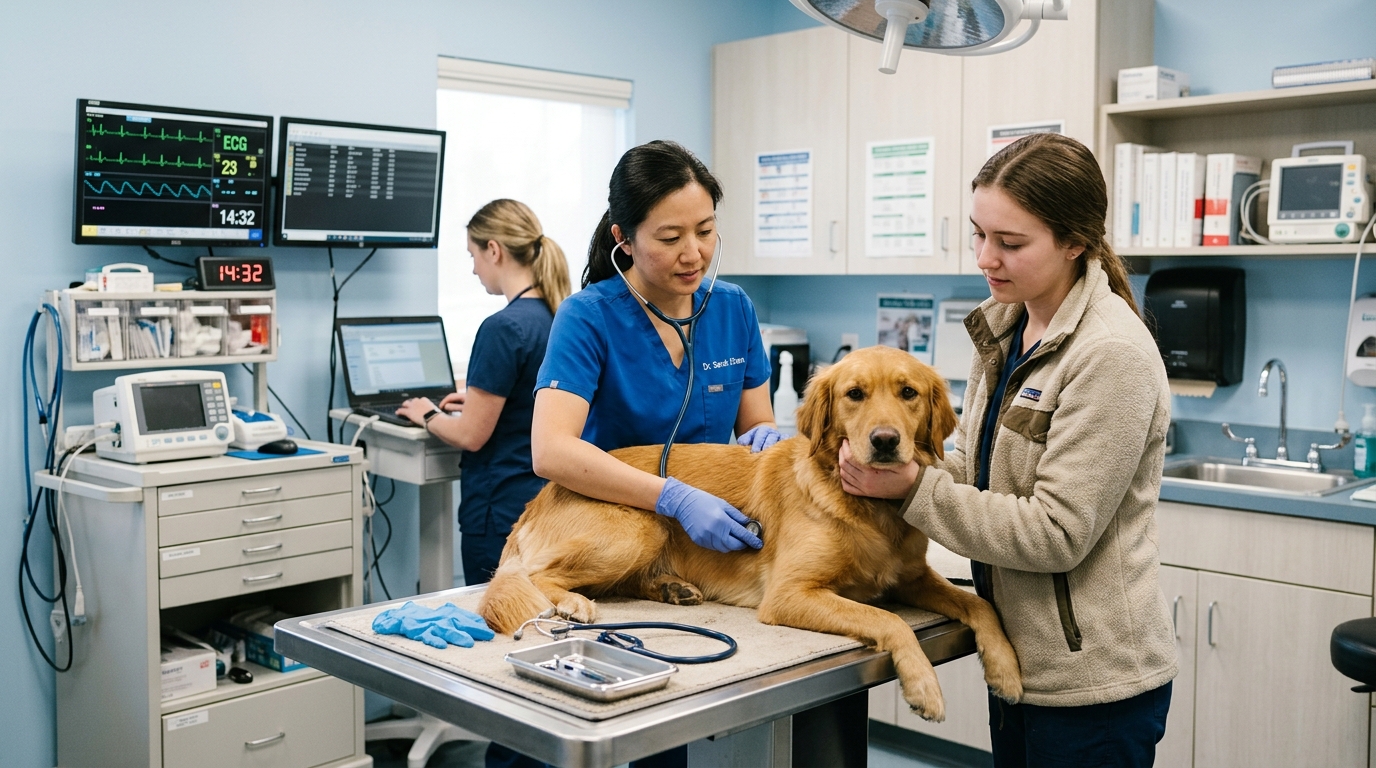
Why Emergency Vet Costs Have Climbed in 2026
Emergency veterinary medicine has changed dramatically over the last five years. The consolidation of independent ER clinics into corporate hospital networks, advances in imaging (CT and MRI are now standard at many 24-hour facilities), and a national shortage of emergency veterinarians have all pushed prices upward. According to the American Veterinary Medical Association, veterinary service prices rose roughly 7.6% year-over-year through early 2026, outpacing general inflation.
A few cost drivers worth knowing:
- After-hours surcharges of $150–$300 are common at most 24-hour ERs.
- Diagnostic stacking (bloodwork + radiographs + ultrasound) often runs $600–$1,200 before any treatment begins.
- Hospitalization averages $600–$1,800 per night depending on whether your pet needs oxygen, IV fluids, or critical care monitoring.
- Geographic variation is significant — coastal metros (NYC, SF, LA, Boston, Seattle) typically run 30–60% above the national average.
Average Cost of Common Pet Emergencies in 2026
The table below reflects the average all-in cost (exam + diagnostics + treatment + hospitalization where applicable) for the 20 most common emergency scenarios we see in claims data. These are national averages — your local pricing may vary considerably.
Top 20 Emergency Scenarios — National Averages
| Emergency Condition | Low End | National Average | High End |
|---|---|---|---|
| Foreign body ingestion (surgical removal) | $2,800 | $4,900 | $9,500 |
| Gastric dilatation-volvulus (bloat/GDV) | $4,500 | $7,800 | $14,000 |
| Hit-by-car trauma | $1,800 | $5,200 | $18,000 |
| Parvovirus hospitalization | $1,500 | $3,400 | $7,000 |
| Pyometra (emergency spay) | $1,800 | $3,600 | $6,500 |
| Urinary blockage (cats) | $1,500 | $3,200 | $5,800 |
| Toxin/poisoning ingestion | $700 | $1,900 | $6,000 |
| Heatstroke | $1,200 | $2,800 | $7,500 |
| ACL/CCL rupture (TPLO surgery) | $4,500 | $7,200 | $12,000 |
| Diabetic ketoacidosis | $2,200 | $4,100 | $8,000 |
| Pancreatitis (severe) | $1,800 | $3,500 | $6,800 |
| Seizure workup & stabilization | $900 | $2,400 | $5,500 |
| Snake bite (with antivenin) | $1,500 | $3,800 | $9,000 |
| Pyothorax / pleural effusion | $2,500 | $4,800 | $9,500 |
| Severe allergic reaction (anaphylaxis) | $400 | $950 | $2,500 |
| Eye injury / corneal ulcer (severe) | $600 | $1,400 | $4,200 |
| Fractured limb (surgical repair) | $2,500 | $4,800 | $11,000 |
| Bite wound / abscess (surgical) | $600 | $1,500 | $4,000 |
| Dystocia (C-section) | $1,800 | $3,400 | $6,500 |
| Cardiac emergency (CHF crisis) | $2,000 | $4,200 | $9,500 |
Source: PetPremium internal claims data, cross-referenced with veterinary specialty hospital pricing surveys, 2026.
Average Pet ER Visit Cost by Condition: 2026 Pricing Table by Region
Geography matters more than most owners realize. The same emergency can cost twice as much in San Francisco as in Cleveland. Below is a regional breakdown for the five most expensive — and most common — emergencies we see.
| Condition | Northeast | Southeast | Midwest | Mountain West | West Coast |
|---|---|---|---|---|---|
| GDV / Bloat surgery | $8,400 | $6,900 | $6,500 | $7,200 | $9,800 |
| Foreign body surgery | $5,400 | $4,200 | $4,000 | $4,600 | $6,300 |
| TPLO (ACL repair) | $7,800 | $6,400 | $6,000 | $6,800 | $9,200 |
| Urinary blockage (cats) | $3,600 | $2,800 | $2,700 | $3,100 | $4,100 |
| Hit-by-car trauma | $5,800 | $4,400 | $4,200 | $4,900 | $6,800 |
If you live in a metro area, expect costs at the higher end of these regional bands. Specialty hospitals and university teaching hospitals can run another 15–25% above stand-alone ERs because of their advanced equipment and board-certified specialists.
What Drives the Cost Range Within a Single Diagnosis
Two dogs can both be diagnosed with "foreign body ingestion" and walk out with bills that differ by $6,000. Here's why:
- Endoscopic retrieval vs. surgery. If the object is still in the stomach, an endoscope can pull it out for around $1,500–$2,500. Once it moves into the intestines, exploratory surgery is required.
- Resection. If a section of intestine has died and must be removed, costs jump significantly and hospitalization extends 3–5 days.
- Complications. Septic peritonitis (a perforated intestine) can push a $4,000 case to $12,000+.
- Pet size. Anesthesia, IV fluids, and most medications are dosed by weight. A 90-pound dog costs more to treat than a 12-pound one.
- Concurrent conditions. A senior pet with kidney disease or a heart murmur needs additional monitoring and tailored anesthesia.
The Most Underestimated Costs
Owners are often blindsided not by the surgery itself but by the pieces around it:
- Initial ER triage exam: $150–$250 just to walk in the door
- Bloodwork panel: $200–$450
- Abdominal radiographs: $250–$500
- Abdominal ultrasound: $500–$900
- Overnight hospitalization with IV fluids: $800–$1,500/night
- CT scan: $1,800–$3,200
- Specialist consultation (internal medicine, surgery, criticalist): $250–$500
- Take-home medications: $80–$400
Add these up and you can easily reach $2,500 before a single therapeutic procedure begins.
How Pet Insurance Changes the Math
Here's a real example from PetPremium claims data — anonymized but representative.
Case Study: A $12,000 ACL Surgery and How Insurance Covered It
A 6-year-old Labrador named Murphy ruptured his cranial cruciate ligament jumping off the couch. His owner brought him to a specialty surgical hospital for TPLO surgery. Total bill:
- Pre-surgical bloodwork & exam: $480
- Radiographs (orthopedic series): $620
- TPLO surgery (both sides, bilateral): $9,800
- 2 nights hospitalization: $1,400
- Take-home medications & rehab consult: $700
- Total: $13,000
With a policy carrying a $250 annual deductible and 90% reimbursement on a $15,000 annual limit, Murphy's owner submitted the claim and received a reimbursement of approximately $11,475. Out-of-pocket cost: roughly $1,525.
Without insurance, that bill comes out of savings, a credit card, or — for many families — CareCredit at 17–26% APR.
How to Plan for Pet Emergencies
Even if insurance isn't right for your situation, every pet owner should have a plan. We recommend:
- Build a $3,000–$5,000 emergency fund as a baseline. This covers the majority of mid-range emergencies but won't cover a major surgery.
- Know your nearest 24-hour ER before you need it. Save the address and phone number in your phone now.
- Use a symptom triage tool. Our Pet Emergency or Wait-and-See? A Symptom Decision Guide helps owners distinguish a true emergency from something that can wait until morning — which can save hundreds in after-hours fees.
- Get a personalized cost estimate. Our Emergency Vet Cost Estimator by Condition and Region lets you plug in your pet's species, weight, location, and likely diagnosis to see realistic price ranges.
- Compare insurance early. Premiums are based on age and breed — coverage is dramatically cheaper for a 1-year-old than a 7-year-old, and pre-existing conditions are excluded across the industry.
The Bottom Line
The average ER vet bill in 2026 is roughly $1,800–$5,500, but the most common serious emergencies — bloat, foreign body, urinary blockage, ACL rupture, hit-by-car — routinely exceed $5,000 and can climb past $10,000. Regional variation is real, breed predispositions matter (Great Danes bloat, Frenchies need C-sections, Labs blow ACLs, male cats block), and the diagnostic workup itself is often a four-figure expense before treatment begins.
Knowing the numbers ahead of time doesn't make the moment less stressful, but it does mean you won't be making medical decisions based on what you can afford in a panic at 2 a.m.
Frequently Asked Questions
Q: What is the average emergency vet bill in 2026?
The average pet ER visit in 2026 costs between $1,800 and $5,500 depending on the condition, with simple cases (mild allergic reactions, minor lacerations) running $400–$1,000 and major surgical emergencies routinely exceeding $7,000. The single biggest cost driver is whether surgery and overnight hospitalization are needed.
Q: Why are emergency vet prices so much higher than regular vet prices?
ER clinics operate 24/7 with specialized equipment, board-certified criticalists, and round-the-clock support staff. After-hours surcharges, advanced diagnostics like CT scans, and the higher acuity of patients all push pricing 2–4x above what a daytime general practice charges for the same baseline services.
Q: What's the most expensive pet emergency?
Severe trauma (hit-by-car with internal injuries), gastric dilatation-volvulus (bloat) with complications, and major orthopedic reconstructions are among the most expensive, regularly reaching $10,000–$18,000. Prolonged ICU hospitalization for sepsis or DKA can also exceed $15,000 over a 5–7 day stay.
Q: Does pet insurance cover emergency vet visits?
Most accident-and-illness pet insurance policies cover emergency visits, surgery, hospitalization, diagnostics, and medications related to a covered condition. Pre-existing conditions are not covered by any major insurer, which is why enrolling pets when they are young and healthy yields the most value.
Q: How does PetPremium help pet owners prepare for emergencies?
PetPremium offers personalized pet insurance quotes that let you compare coverage levels, deductibles, and reimbursement percentages from multiple top carriers — including partners like Figo, Pets Best, and Embrace. We also provide free educational resources, including emergency cost estimators and symptom decision guides, so owners can make informed decisions before a crisis hits.
Q: Can I negotiate or set up a payment plan for an emergency vet bill?
Most ER hospitals require payment at the time of service and don't offer in-house payment plans, but many accept CareCredit or Scratchpay (third-party medical financing). It's worth asking the hospital about itemized estimates, declining non-essential add-ons, or transferring to a less expensive facility once your pet is stable.
Q: How much should I save for a pet emergency fund?
We recommend a baseline of $3,000–$5,000 per pet, which covers most mid-range emergencies like foreign body removal, severe pancreatitis, or urinary blockage in cats. For large breeds prone to GDV, ACL injuries, or cancer, $7,500–$10,000 is more realistic — or pet insurance can supplement a smaller cash reserve.
Q: Is it cheaper to go to my regular vet for an emergency?
If your regular vet is open and able to handle the case, yes — daytime general practice pricing is typically 30–50% lower than ER pricing. But many true emergencies (bloat, blockages, trauma, toxin ingestion) require 24-hour monitoring, surgical capability, or specialist care that general practices don't offer, making the ER unavoidable.
