
Femoral Head Ostectomy (FHO) for Canine Hip Dysplasia: Cost Breakdown and Insurance Reimbursement Examples


Femoral Head Ostectomy (FHO) for Canine Hip Dysplasia: Cost Breakdown and Insurance Reimbursement Examples
Hip dysplasia is one of the most common — and most expensive — orthopedic conditions affecting dogs. For pet parents whose dogs aren't candidates for total hip replacement, or who are looking for a more affordable surgical option, Femoral Head Ostectomy (FHO) is often recommended. But what does it actually cost, and how much can pet insurance reimburse?
In this case study, we at PetPremium break down real-world FHO pricing, walk through three claim reimbursement examples, and show you how the math actually works out for families facing this diagnosis.
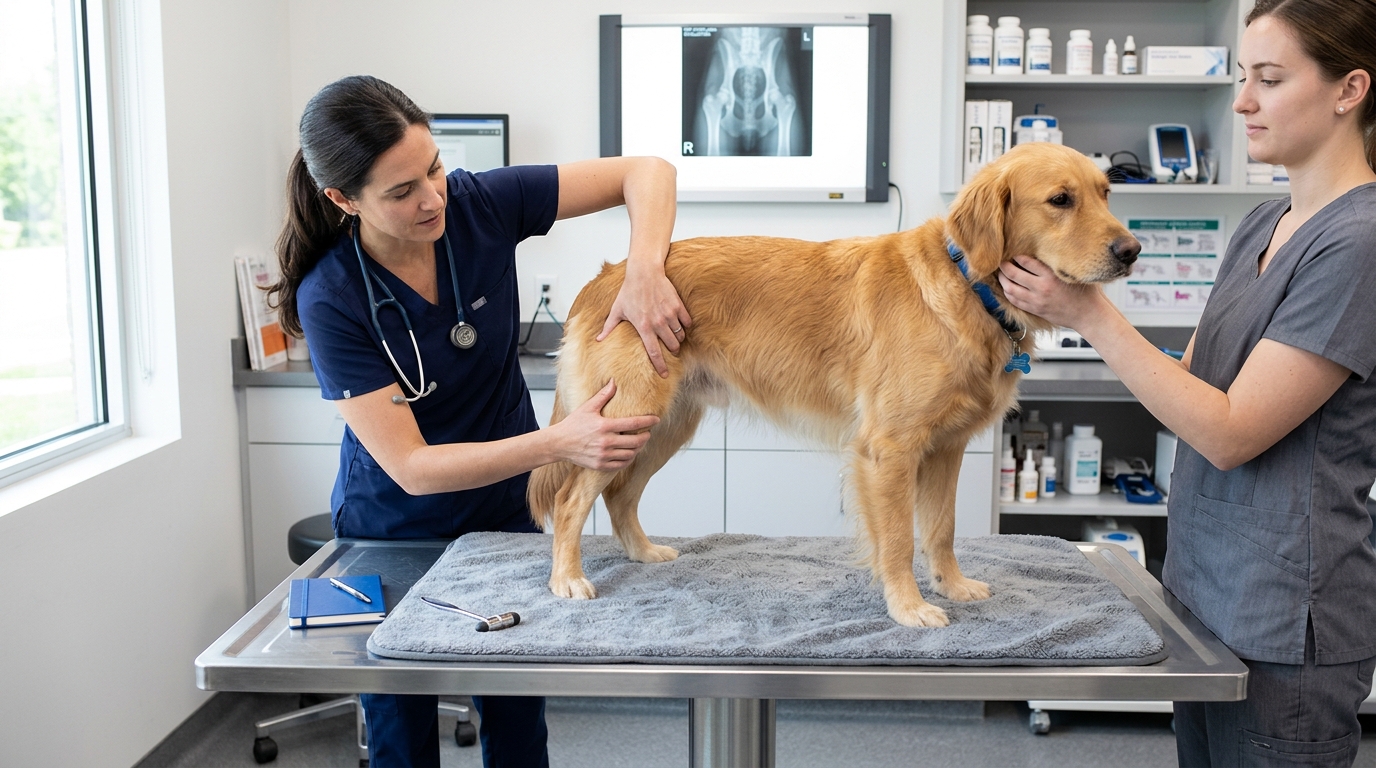
What Is a Femoral Head Ostectomy?
A Femoral Head Ostectomy (FHO) is a salvage surgical procedure in which a veterinary surgeon removes the head and neck of the femur (the "ball" of the ball-and-socket hip joint). Once removed, scar tissue forms a "false joint" that allows the dog to walk without bone-on-bone friction.
FHO is typically recommended for:
- Small to medium dogs (under ~50 lbs) with hip dysplasia
- Dogs with chronic hip luxation or fractures of the femoral head
- Cases of avascular necrosis (Legg-Calvé-Perthes disease)
- Patients where total hip replacement (THR) is cost-prohibitive
While FHO doesn't restore a normal joint, studies published by the American College of Veterinary Surgeons show that the majority of dogs regain pain-free, functional mobility — particularly with consistent post-op rehabilitation.
FHO Cost Breakdown: What You're Actually Paying For
Pet parents are often surprised to learn that the surgery itself is just one line item on the final invoice. Below is a typical cost breakdown for an FHO procedure performed by a board-certified veterinary surgeon in 2026.
| Cost Component | Typical Range (USD) |
|---|---|
| Initial consultation & exam | $75 – $200 |
| Radiographs (hip X-rays, sedated) | $250 – $600 |
| Pre-surgical bloodwork | $100 – $250 |
| FHO surgery (surgeon + facility) | $1,500 – $4,500 |
| Anesthesia | $300 – $700 |
| Hospitalization (1–2 nights) | $200 – $600 |
| Pain medications & antibiotics | $75 – $200 |
| Post-op rechecks (2–3 visits) | $150 – $400 |
| Physical rehabilitation (4–8 weeks) | $600 – $2,000 |
| Total | $3,250 – $9,450 |
Why the Wide Price Range?
The variance comes down to three main factors:
- Geography. FHO performed at a specialty hospital in San Francisco or New York can run 2–3x what the same procedure costs in the Midwest or rural South.
- Surgeon credentials. A board-certified veterinary surgeon (DACVS) typically charges more than a general practice veterinarian, but complication rates are lower.
- Bilateral vs. unilateral. Some dogs need the procedure on both hips, often staged 6–12 weeks apart, effectively doubling costs.
Real Reimbursement Examples: Three Case Studies
To illustrate how pet insurance offsets FHO costs, here are three anonymized claim examples reflecting common policy structures (annual deductible, percentage reimbursement, annual limit). These figures are representative of typical claims processed across the pet insurance industry.
Case 1: "Bailey," 4-year-old Cocker Spaniel
- Diagnosis: Bilateral hip dysplasia, FHO recommended on right hip
- Total invoice (surgery + diagnostics + rehab): $5,840
- Policy structure: $250 deductible, 90% reimbursement, $10,000 annual limit
- Calculation: ($5,840 − $250) × 90% = $5,031 reimbursed
- Owner out-of-pocket: $809
Case 2: "Murphy," 7-year-old Border Collie Mix
- Diagnosis: Chronic hip luxation following old trauma; FHO performed
- Total invoice: $7,200
- Policy structure: $500 deductible, 80% reimbursement, $5,000 annual limit
- Calculation: ($7,200 − $500) × 80% = $5,360 → capped at $5,000 reimbursed
- Owner out-of-pocket: $2,200
Case 3: "Daisy," 2-year-old French Bulldog
- Diagnosis: Hip dysplasia diagnosed at 18 months; FHO at 24 months
- Total invoice: $4,950
- Policy structure: $200 deductible, 90% reimbursement, unlimited annual
- Calculation: ($4,950 − $200) × 90% = $4,275 reimbursed
- Owner out-of-pocket: $675
Key Takeaway from These Cases
The single biggest variable isn't the procedure cost — it's whether hip dysplasia was a pre-existing condition when the policy was purchased. In all three cases above, the dogs were enrolled before any signs of hip disease appeared. Had any of them been diagnosed before enrollment, reimbursement would likely have been $0.
This is why we at PetPremium consistently recommend enrolling puppies and young dogs as early as possible — especially breeds genetically predisposed to hip dysplasia, such as Labradors, Golden Retrievers, German Shepherds, Bernese Mountain Dogs, and Rottweilers.
FHO vs. Total Hip Replacement: Cost Comparison
Pet parents researching surgical options often weigh FHO against total hip replacement (THR). Here's how they compare:
| Factor | FHO | Total Hip Replacement |
|---|---|---|
| Average cost (per hip) | $3,250 – $9,450 | $7,000 – $14,000 |
| Best for | Dogs under ~50 lbs | Medium to large dogs |
| Recovery time | 6–12 weeks | 12–16 weeks |
| Functional outcome | Good (pain-free, slight gait change) | Excellent (near-normal joint) |
| Long-term success rate | ~80–90% with rehab | ~90–95% |
For larger breeds where THR is medically preferable, the financial argument for insurance becomes even stronger — bilateral THR can exceed $25,000.
How to Maximize Your Insurance Reimbursement
Whether you're considering FHO now or planning ahead, these steps can significantly improve your reimbursement outcome:
- Enroll early. Hip dysplasia signs can appear as young as 4–12 months. Coverage purchased after diagnosis won't apply.
- Choose a higher reimbursement percentage. A 90% plan vs. a 70% plan can mean $1,500+ more back on a $7,000 surgery.
- Watch annual limits. "Unlimited" plans protect you from bilateral procedures and complications.
- Document everything. Submit complete medical records, itemized invoices, and rehabilitation receipts.
- Don't skip rehab. Most plans cover post-surgical physical therapy when prescribed by a veterinarian — and skipping it can lead to costly complications.
For a deeper look at how different insurers handle hereditary orthopedic conditions, our guide on hereditary condition coverage compares plan-by-plan policies.
Is FHO Worth It Without Insurance?
Even without coverage, the answer for most families is yes — untreated hip dysplasia leads to chronic pain, mobility loss, and often life-quality decisions that no pet parent wants to face. But the financial reality is stark: a $5,000–$8,000 unexpected surgery is out of reach for many households.
That's where insurance fundamentally changes the equation. Instead of choosing between your dog's mobility and your savings account, a well-structured policy lets you say yes to the procedure your veterinarian recommends.
Frequently Asked Questions
Q: Is hip dysplasia covered by pet insurance?
Yes, most pet insurance providers — including PetPremium and our partner plans — cover hip dysplasia as long as it is not a pre-existing condition at the time of enrollment. Some insurers require a waiting period (often 6–14 months) specifically for orthopedic conditions, so reading your policy's fine print is essential.
Q: How long does a dog take to recover from FHO surgery?
Most dogs begin partial weight-bearing within 1–2 weeks and return to near-normal activity by 8–12 weeks post-surgery. Recovery is significantly faster and more complete when paired with structured physical rehabilitation, including hydrotherapy, range-of-motion exercises, and gradual strength building.
Q: What's the difference between FHO and THR cost-wise?
FHO typically runs $3,250–$9,450 per hip, while total hip replacement (THR) runs $7,000–$14,000 per hip. FHO is more affordable and works well for smaller dogs, while THR provides a more "normal" joint and is preferred for larger or highly active dogs.
Q: Can my dog live a normal life after FHO?
Yes. While FHO creates a "false joint" rather than restoring the original anatomy, the vast majority of dogs return to pain-free walking, running, and play. Some owners notice a slight gait change, but quality of life is dramatically improved compared to living with untreated hip dysplasia.
Q: Does PetPremium cover FHO surgery for hip dysplasia?
PetPremium offers and partners with insurance plans that cover hip dysplasia and related surgical procedures, including FHO, when the condition develops after the policy's effective date and any orthopedic waiting period. We recommend getting a personalized quote to compare specific plan options based on your dog's breed, age, and location.
Q: At what age should I insure my puppy to ensure hip dysplasia coverage?
The earlier the better — ideally between 8 weeks and 6 months of age. Hip dysplasia can be diagnosed as early as 4 months in some breeds, and any signs noted by a vet before enrollment may permanently exclude the condition from coverage.
Q: Are diagnostic X-rays for hip dysplasia covered by insurance?
Yes, diagnostic imaging including X-rays, sedated radiographs, and even CT scans are typically covered when used to diagnose or treat a covered condition. They are subject to your deductible and reimbursement percentage like any other claim expense.
Q: What breeds are most prone to needing FHO?
Breeds genetically predisposed to hip dysplasia include Labrador Retrievers, Golden Retrievers, German Shepherds, Bernese Mountain Dogs, Rottweilers, and Saint Bernards. Smaller breeds prone to Legg-Calvé-Perthes disease — such as Yorkshire Terriers, Toy Poodles, and West Highland White Terriers — also frequently undergo FHO.
