
Pet Insurance Buyer's Guide 2026: Everything You Need to Know


Pet Insurance Buyer's Guide 2026: Everything You Need to Know
Pet insurance has shifted from a niche product to a mainstream financial tool. With veterinary costs rising faster than general inflation and advanced treatments — MRIs, chemotherapy, orthopedic surgeries — now standard at specialty hospitals, a single emergency can run anywhere from $3,000 to $20,000. For most households, that's not an out-of-pocket conversation; it's a credit card or a heartbreaking decision.
This guide walks you through everything you need to evaluate, compare, and confidently purchase a pet insurance policy in 2026. Whether you're insuring a new puppy, a senior cat, or a breed predisposed to specific health conditions, the framework below will help you choose coverage that actually pays out when you need it.
What Pet Insurance Actually Is (and Isn't)
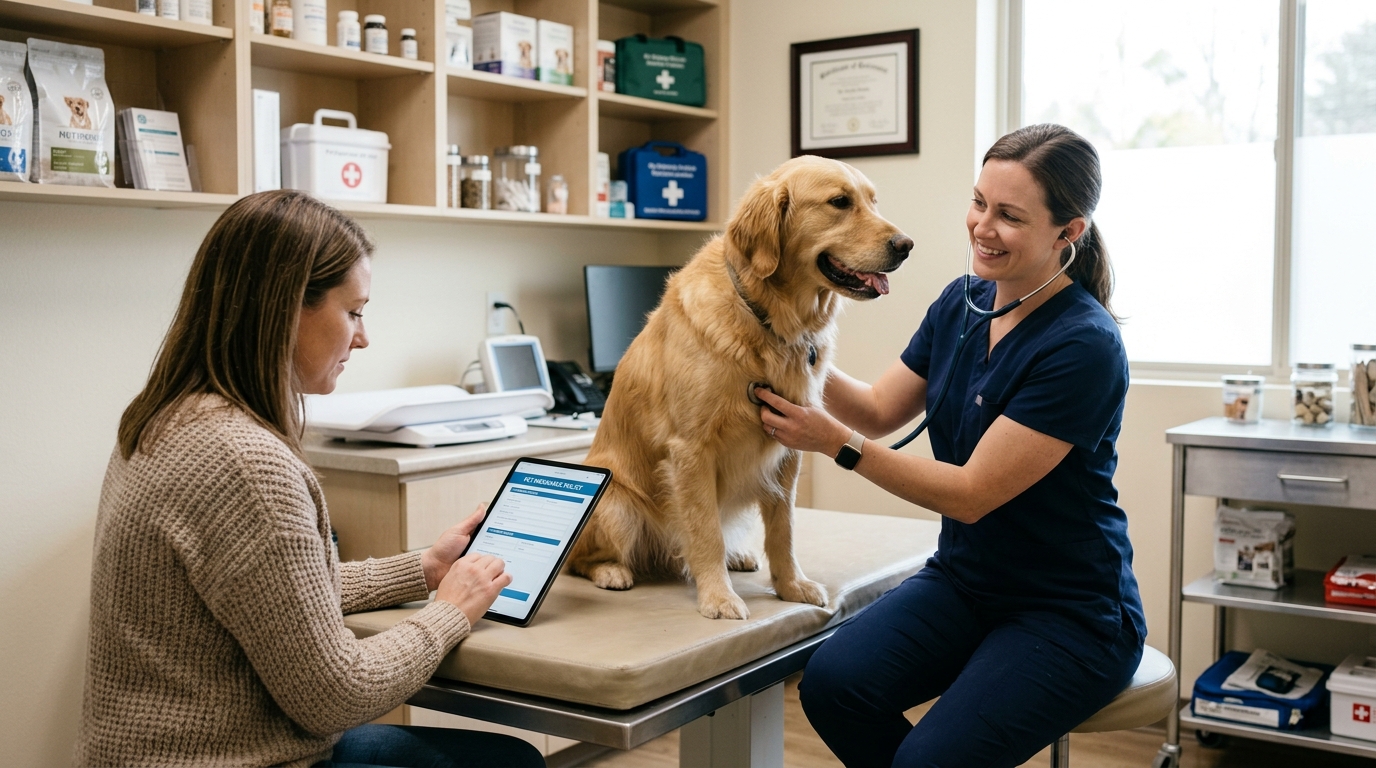
Pet insurance is a reimbursement-based health policy for dogs and cats. You pay the vet bill upfront, submit a claim, and your insurer reimburses you based on your plan's terms. Unlike human health insurance, there are no in-network restrictions — you can use any licensed veterinarian, specialist, or emergency hospital in the U.S. or Canada.
What it isn't:
- Not a savings account. Premiums don't roll over.
- Not retroactive. Pre-existing conditions are universally excluded.
- Not a wellness plan by default. Routine care (vaccines, dental cleanings, flea prevention) typically requires a separate add-on.
According to the North American Pet Health Insurance Association (NAPHIA), the average annual premium for accident and illness coverage in 2025 was approximately $749 for dogs and $386 for cats — and those numbers continue to climb with veterinary inflation.
The Three Coverage Types
Almost every plan on the market falls into one of three structures. Understanding which you need is the single most important decision in the buying process.
| Coverage Type | What It Covers | Typical Monthly Cost (Dog) | Best For |
|---|---|---|---|
| Accident-Only | Injuries, broken bones, ingestions, lacerations | $10–$25 | Budget buyers, senior pets where illness coverage is unaffordable |
| Accident & Illness | Everything in accident-only PLUS cancer, diabetes, hereditary conditions, infections | $35–$90 | Most pet owners — the standard tier |
| Comprehensive (with Wellness) | Accident, illness, plus routine care add-on | $55–$130 | New puppies/kittens and owners who prefer predictable monthly costs |
We at PetPremium typically recommend Accident & Illness as the baseline for any pet under age 8. It's the tier that covers the catastrophic bills — the $8,000 cancer treatments, the $6,000 cruciate surgeries — that destroy household budgets.
The Five Variables That Determine Your Premium
Every pet insurance quote comes down to five inputs. Adjust any of them, and your monthly price changes.
1. Species, Breed, and Age
Cats are cheaper to insure than dogs. Within dogs, brachycephalic breeds (French Bulldogs, Pugs, Bulldogs) and giant breeds (Bernese Mountain Dogs, Great Danes) cost significantly more due to documented health risks. A French Bulldog puppy may cost 2–3x what a mixed-breed puppy of the same age costs.
2. Reimbursement Percentage
Most insurers offer 70%, 80%, or 90% reimbursement. Higher reimbursement = higher premium.
3. Annual Deductible
The amount you pay out-of-pocket before reimbursement kicks in. Common options: $100, $250, $500, $750, $1,000. Raising your deductible is the fastest way to lower your premium.
4. Annual Coverage Limit
Ranges from $5,000 to unlimited. For breeds prone to chronic conditions (think Dachshunds with IVDD or Golden Retrievers with cancer), unlimited or $15,000+ limits are worth the extra cost.
5. Location
Veterinary costs in San Francisco, New York, and Seattle drive premiums 30–50% higher than rural Midwest rates.
Pre-Existing Conditions: The One Rule Everyone Misses
This is the single biggest source of claim denials and customer frustration. No insurer in the U.S. covers pre-existing conditions. A pre-existing condition is any illness, injury, or symptom that appeared before your policy's effective date or during the waiting period.
Two important nuances:
- Curable vs. incurable. Some insurers (including several PetPremium partners) will cover curable pre-existing conditions like ear infections or UTIs after a symptom-free waiting period of 6–12 months. Incurable conditions (diabetes, cancer, allergies, hip dysplasia) are excluded for life.
- Bilateral conditions. If your dog tore the cruciate ligament in their right knee before coverage started, most insurers will exclude the left knee too.
The takeaway: enroll early, ideally between 8 weeks and 2 years of age, before any conditions surface in the medical record.
Waiting Periods Explained
Every policy has waiting periods between enrollment and the start of coverage. Industry standards:
- Accidents: 1–14 days
- Illnesses: 14–30 days
- Orthopedic conditions (cruciate, hip dysplasia): 6 months to 12 months on some plans
If you're shopping in 2026, ask specifically about orthopedic waiting periods — they're the most commonly overlooked exclusion.
How to Compare Plans Like an Underwriter
When you collect quotes, line them up against these seven criteria — not just monthly price.
- Annual limit — unlimited is best, $10,000+ is acceptable for most breeds
- Reimbursement % — 80% is the sweet spot for value
- Deductible structure — annual deductibles reset once per year; per-incident deductibles reset every condition (annual is usually better)
- Hereditary and congenital coverage — critical for purebreds
- Bilateral exclusions — read the fine print
- Exam fee coverage — many plans exclude the vet's exam fee from claims
- Premium increases at renewal — ask about the average annual rate increase
Should You Add a Wellness Plan?
Wellness plans cover predictable, routine costs: annual exams, vaccines, heartworm tests, dental cleanings, spay/neuter. They're not insurance — they're a budgeting tool. The math typically works out close to break-even, with the convenience of one monthly bill.
A wellness add-on makes the most sense for:
- Puppies and kittens in their first year (lots of vaccines, neuter surgery, microchipping)
- Owners who consistently underspend on preventive care and want a forcing function
- Households that prefer predictable monthly expenses over variable annual ones
For everyone else, accident & illness coverage alone is usually the better financial decision.
Breed-Specific Considerations
Insurance value varies dramatically by breed. Some examples:
- French Bulldogs: Brachycephalic syndrome, IVDD, allergies, hip dysplasia. Lifetime claims often exceed $25,000. Insurance pays for itself many times over.
- Golden Retrievers: 60%+ lifetime cancer risk per Morris Animal Foundation research. Unlimited annual coverage strongly recommended.
- Dachshunds: 1 in 4 develop IVDD; spinal surgery runs $6,000–$10,000.
- Maine Coons: Hypertrophic cardiomyopathy (HCM) and hip dysplasia.
- Mixed breeds: Generally lower premiums and lower claim rates, but still benefit from coverage.
If you own a high-risk breed, prioritize unlimited annual coverage and 90% reimbursement over saving $15/month on premium.
When to Buy
The best time is as early as possible. Premiums increase with age, and every vet visit creates new medical-record entries that can become future pre-existing conditions. If your pet is already a senior, accident-only coverage is still worth considering — major emergency surgeries don't discriminate by age.
Red Flags to Avoid
- Policies with per-condition payout caps (e.g., $1,500 max per cancer claim)
- Insurers without 24/7 claim submission and fast turnaround (industry standard is 5–14 days)
- Plans that exclude chronic conditions after the first policy year
- Carriers without strong financial ratings (look for AM Best B++ or higher)
Putting It All Together
The right pet insurance policy is the one that — when your dog tears a cruciate at 3 a.m. or your cat is diagnosed with lymphoma — pays out enough that the decision is medical, not financial. For most owners, that means an accident & illness plan with 80–90% reimbursement, a $250–$500 deductible, and an annual limit of $10,000 or higher. Layer in a wellness plan if it fits your budgeting style.
Compare at least three quotes side-by-side. Read the policy document, not just the marketing page. And enroll while your pet is young and healthy.
Get Your Personalized Pet Insurance Quote →
Frequently Asked Questions
Q: What is the best pet insurance in 2026?
The "best" pet insurance depends on your pet's breed, age, and your budget — there is no single winner for every household. Look for plans with at least 80% reimbursement, an annual deductible under $500, no per-condition caps, and strong hereditary condition coverage. Comparing multiple carriers side-by-side, including PetPremium and partner providers like Figo, Pets Best, and Embrace, gives you the clearest picture.
Q: How much does pet insurance cost per month?
In 2026, accident & illness coverage averages $35–$90/month for dogs and $20–$45/month for cats, depending on breed, age, location, and the deductible/reimbursement combination you choose. Brachycephalic breeds, giant breeds, and senior pets sit at the higher end of those ranges.
Q: Is pet insurance worth it if my pet is healthy?
Yes — that's exactly when it provides the most value. Insurance is designed to cover unexpected events, and you can only enroll a pet before conditions appear, since pre-existing conditions are excluded. Buying coverage while your pet is healthy locks in lower premiums and ensures future illnesses will be eligible for reimbursement.
Q: Does pet insurance cover hereditary and congenital conditions?
Most modern accident & illness policies do cover hereditary and congenital conditions — like hip dysplasia, heart defects, or epilepsy — as long as symptoms appear after your policy's effective date and waiting periods. This is critical for purebred buyers; always confirm hereditary coverage in writing before enrolling.
Q: How does PetPremium help me find the right policy?
PetPremium lets you compare personalized quotes from multiple top-rated insurers in one place, factoring in your pet's breed, age, and zip code so you see real numbers — not generic ranges. Our goal is to make the comparison process transparent, so you understand exactly what's covered, what isn't, and which plan fits your household budget.
Q: Can I use any veterinarian with pet insurance?
Yes. Unlike human health insurance, pet insurance has no provider networks. You can visit any licensed veterinarian, emergency hospital, or board-certified specialist in the U.S. or Canada and submit the receipt for reimbursement.
Q: What's the difference between a pet wellness plan and pet insurance?
Pet insurance covers unexpected accidents and illnesses, while a wellness plan covers predictable routine care like annual exams, vaccines, and dental cleanings. Insurance protects against catastrophic costs; wellness plans budget for ordinary ones. Many owners choose both, but if you can only afford one, accident & illness insurance offers far greater financial protection.
Q: When does pet insurance start covering my pet after I enroll?
Waiting periods vary by carrier but typically run 1–14 days for accidents, 14–30 days for illnesses, and 6–12 months for orthopedic conditions like cruciate tears or hip dysplasia. Read each plan's waiting period schedule carefully — it's one of the most commonly overlooked details in the buying process.
