
Preventive Pet Care Schedule: What Every Dog and Cat Needs Yearly


Preventive Pet Care Schedule: What Every Dog and Cat Needs Yearly
Preventive care is the single most cost-effective investment you can make in your pet's health. Whether you share your home with a Golden Retriever, a Maine Coon, or a mixed-breed rescue, a consistent wellness schedule catches problems before they become emergencies — and emergencies are where the bills (and the heartbreak) live.
We at PetPremium built this guide as a year-round roadmap for dog and cat owners. Use it as a checklist, share it with your vet, and adapt it to your pet's age, breed, and lifestyle.
Why Preventive Pet Care Matters
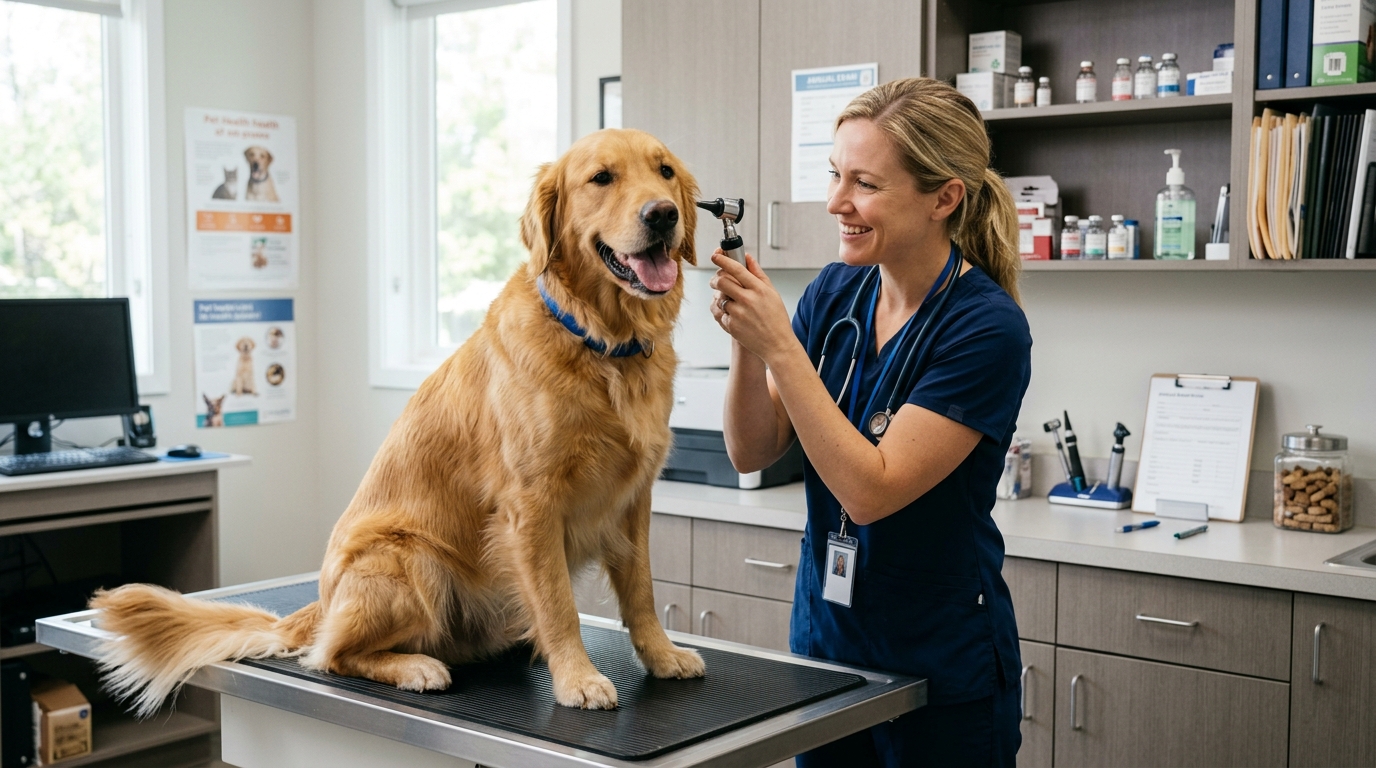
The American Veterinary Medical Association (AVMA) reports that pets receiving regular preventive care live measurably longer, healthier lives than those who only see a vet when they're sick. Routine exams catch dental disease, kidney issues, heart murmurs, and early-stage cancers — conditions that are cheaper, easier, and far less stressful to treat when found early.
According to the AAHA Canine Life Stage Guidelines, a dog ages roughly 5–7 "human years" between annual exams. For senior pets, that gap is even more critical — which is why we recommend twice-yearly visits after age 7.
The Complete Preventive Pet Care Schedule: Annual Checklist
Here's what every healthy adult dog and cat needs over a 12-month cycle.
Once a Year (Minimum)
| Care Item | Dogs | Cats |
|---|---|---|
| Comprehensive physical exam | ✅ | ✅ |
| Core vaccine boosters (as due) | DHPP, Rabies | FVRCP, Rabies |
| Heartworm test (blood) | ✅ | Recommended |
| Fecal parasite screening | ✅ | ✅ |
| Bloodwork (CBC + chemistry) | ✅ (especially seniors) | ✅ (especially seniors) |
| Urinalysis | Recommended | ✅ (cats are prone to UTI/kidney issues) |
| Dental evaluation | ✅ | ✅ |
| Weight & body condition score | ✅ | ✅ |
Every Month
- Heartworm preventive (year-round, even in winter — mosquitoes don't read calendars)
- Flea and tick preventive
- At-home dental brushing check-in (ideally daily, but at minimum a monthly mouth inspection)
- Body condition self-check: ribs should be felt without pressing hard
Every 3 Years (After Initial Series)
- Rabies booster (varies by state law — some require annual)
- DHPP and FVRCP boosters per AAHA/AAFP guidelines
- Professional dental cleaning under anesthesia (more frequently for small breeds and brachycephalic pets)
Lifestyle-Based Vaccines (As Needed)
- Bordetella & Canine Influenza: dogs visiting boarding, daycare, or grooming
- Leptospirosis: dogs with outdoor/wildlife exposure
- Lyme: dogs in tick-heavy regions
- FeLV: cats with outdoor access or multi-cat households
Life-Stage Adjustments
Puppies and Kittens (0–12 months)
- Vaccine series every 3–4 weeks from 6–16 weeks of age
- Spay/neuter consultation between 4–9 months (timing varies by breed and size)
- Two to three nutritional check-ins during rapid growth
- Microchip placement
- Begin parasite prevention immediately
Adults (1–7 years)
- Annual wellness exam
- Maintain vaccines, dental care, and parasite prevention
- Baseline bloodwork by age 3 to establish "normal" for your pet
Seniors (Dogs 7+ / Cats 10+)
- Twice-yearly exams — non-negotiable
- Full senior bloodwork panel including thyroid (T4) annually
- Blood pressure check (especially cats)
- Mobility and cognitive assessment
- Adjusted nutrition and joint supplements as needed
Senior care needs are especially intense for breeds with known predispositions. If you own a Dachshund prone to IVDD, a German Shepherd at risk for degenerative myelopathy, or a Maine Coon predisposed to HCM, twice-yearly screening is the difference between catching disease early and facing a crisis.
Dental Care: The Most Skipped (and Most Important)
By age 3, over 70% of cats and 80% of dogs show signs of periodontal disease. Untreated dental disease is linked to heart, kidney, and liver problems.
A complete dental routine includes:
- Daily brushing with pet-safe toothpaste (never human toothpaste — xylitol is toxic)
- VOHC-approved dental chews or treats
- Annual oral exam at your vet visit
- Professional cleaning under anesthesia every 1–3 years
Parasite Prevention Year-Round
| Parasite | Risk | Prevention |
|---|---|---|
| Heartworms | Fatal if untreated; treatment costs $1,000–$3,000+ | Monthly oral or topical, or 6/12-month injection |
| Fleas | Skin disease, tapeworms, anemia | Monthly topical, oral, or collar |
| Ticks | Lyme, Ehrlichia, Rocky Mountain Spotted Fever | Monthly preventive + tick checks |
| Intestinal worms | Zoonotic risk to humans | Most heartworm preventives cover these |
Preventive Care & Veterinary Cost Benchmarks
Here's what owners typically spend on annual preventive care in 2026:
| Service | Dog (Annual) | Cat (Annual) |
|---|---|---|
| Wellness exam | $55–$90 | $50–$80 |
| Core vaccines | $75–$200 | $60–$150 |
| Heartworm test | $35–$60 | N/A (test less common) |
| Fecal exam | $25–$50 | $25–$50 |
| Bloodwork | $80–$200 | $80–$200 |
| Heartworm preventive | $90–$250 | $80–$160 |
| Flea/tick preventive | $150–$300 | $120–$240 |
| Dental cleaning (every 1–3 yrs) | $400–$1,200 | $400–$1,000 |
| Annual total (avg.) | $700–$1,500 | $550–$1,200 |
These figures climb significantly for breeds with known health predispositions. For breed-specific projections, our lifetime cost guides — including the French Bulldog Lifetime Cost Guide 2026, Golden Retriever Lifetime Cost Guide 2026, German Shepherd Lifetime Cost Guide 2026, and Maine Coon Cat Lifetime Cost Guide 2026 — break down expected costs decade by decade.
Wellness Plan vs Pet Insurance: What's the Difference & Do You Need Both?
This is one of the most common questions we hear at PetPremium, and the answer matters for your wallet.
- Wellness plans cover expected costs: exams, vaccines, dental cleanings, parasite prevention. They smooth predictable expenses into a monthly payment.
- Pet insurance covers unexpected costs: accidents, illness, surgery, cancer treatment, emergency care.
The two are complementary, not competing. A wellness plan handles the schedule above; insurance protects you from the $5,000 ACL surgery, the $8,000 cancer workup, or the $12,000 hit-by-car emergency. Many owners benefit from pairing both.
Building Your Pet's Yearly Schedule
Here's a simple month-by-month framework you can use:
- January: Annual wellness exam + bloodwork
- February: Dental health month — schedule cleaning if due
- March–May: Tick prevention emphasis as weather warms
- June: Mid-year heartworm/flea check
- July–August: Hydration, heat-stroke awareness, paw pad checks
- September: Senior pet recheck (if applicable)
- October: Vaccine boosters as due
- November: Weight and body condition recheck before holidays
- December: Review the year with your vet, plan for next year
Protect the Investment You're Making
Preventive care works best when it's paired with financial protection for the things you can't predict. A single emergency surgery can cost more than a decade of preventive care combined — which is exactly why pet insurance exists.
We at PetPremium help dog and cat owners compare personalized coverage options across top-rated carriers, so you can focus on the care, not the cost.
Get Your Free Pet Insurance Quote →
Frequently Asked Questions
Q: How often should a healthy adult dog or cat see the vet?
Healthy adult pets between 1 and 7 years old should have a comprehensive wellness exam at least once per year. Pets over 7 (dogs) or 10 (cats) should be examined twice yearly because age-related diseases like kidney disease, arthritis, and cancer progress quickly between annual visits.
Q: Are annual vaccines really necessary, or is that overkill?
Not all vaccines are annual — many core vaccines are now given every 3 years after the initial series, per AAHA and AAFP guidelines. However, the exam itself should be annual (or twice yearly for seniors), and lifestyle vaccines like Bordetella and Lyme may need yearly boosters depending on exposure risk.
Q: What's the single most important preventive care step I can take?
For most pets, it's a tie between year-round parasite prevention and dental care. Heartworm disease is fatal and expensive to treat but nearly 100% preventable, while untreated dental disease silently damages the heart, liver, and kidneys over years.
Q: Does pet insurance cover preventive care?
Standard pet insurance typically covers accidents and illnesses, not routine preventive care. Many providers, including options available through PetPremium, offer optional wellness add-ons or separate wellness plans that reimburse exams, vaccines, dental cleanings, and parasite prevention.
Q: How does PetPremium help with preventive pet care planning?
PetPremium helps owners compare insurance plans alongside optional wellness coverage from multiple top-rated carriers, so you can build a combination that covers both routine care and unexpected emergencies. Our breed-specific resources also help you anticipate the preventive screenings most relevant to your pet.
Q: At what age should I start senior bloodwork?
For most dogs, senior bloodwork begins around age 7, though large and giant breeds (Great Danes, Mastiffs) should start by age 5–6. For cats, age 10 is the standard threshold, though indoor cats with chronic conditions may benefit from earlier baseline testing.
Q: Is preventive care more expensive for purebred pets?
Often yes, because purebreds may need additional screenings for breed-specific conditions — echocardiograms for Maine Coons (HCM), hip imaging for German Shepherds and Goldens, spinal exams for Dachshunds, or BOAS assessments for French Bulldogs and Pugs. Mixed breeds generally have lower predispositions, but every individual pet is different.
Q: Can I skip heartworm prevention in winter?
No. Veterinary parasitologists and the American Heartworm Society recommend year-round prevention because mosquitoes can survive indoors, climate patterns are unpredictable, and most heartworm preventives also protect against intestinal parasites that don't take a winter break.
